Our fields our services.
Stainless Steel
Non-Ferrous Metal
Ferrous Metals
- Mild Steel — engineering & building purposes (Carbon 0.1% to 0.3% and Iron content of 99.7 — 99.9%). Used for engineering purposes and in general, none specialised metal products.
- Carbon steel — Drill bits, cutting tools. (Carbon 0.6% to 1.4% and Iron 98.6% to 99.4 %).
- Stainless Steel — cutlery. surgical instruments, decorative items (Consists of Iron, nickel and chromium).
- Cast Iron — Engine blocks (carbon 2% — 6% and Iron at 94% to 98%).
- Wrought Iron — Ornamental gates & fencing old garden furniture (100% iron).
Non-Ferrous Metals
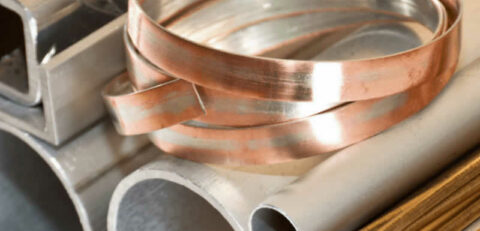
- Aluminium window & door frames, aircrafts, kitchen ware (Consists of an alloy of aluminium, copper and manganese).
- Copper — Electric cables, tubing, pipes, etc.
- Brass — Ornaments, electrical fittings (Combination of copper and zinc).
- Silver jewelery, ornaments.
- Lead — Used in roofing, batteries and some pipes.
How Scrap Metal Recycling Benefits the Planet
Through our scrap metal recycling program, we keep tons of valuable, usable waste out of landfills. Additionally, our recycling programs decrease the need for the mining of natural resources and lower greenhouse pollutant levels by reducing the demand for new metals. Energy conservation is another valuable benefit of recycling metal waste. According to the National Institutes of Health, aluminum can be recycled using only five percent of the energy it would take to create new material from raw resources. Manufacturing also requires a great deal of water, which is conserved during reprocessing. The recycling industry provides jobs for local workers and also contributes significantly to United States trade profits, with billions of dollars of materials being sold to recycling programs overseas.